

Why Device-Free Time Matters More Than You Think
After a long workday in Singapore’s high-performance environment, your nervous system is still running on adrenaline. Emails keep coming. Messages ping. Your brain’s never actually told to stop.
Here’s what happens: you get home, pour a drink, sit on the couch — and immediately grab your phone. Check Slack. Scroll through news. Watch work videos. Your nervous system never gets the signal that it’s safe to relax.
Thing is, recovery isn’t passive. It’s not something that happens if you just try harder to “switch off.” It’s a skill you need to build. And it requires removing the thing that keeps pulling your attention: your devices.
The real issue: Without intentional device-free time, your brain stays in “work mode” for 12+ hours. That’s not sustainable. Your body needs a clear signal that work is over.

Three Phases of Device-Free Transition
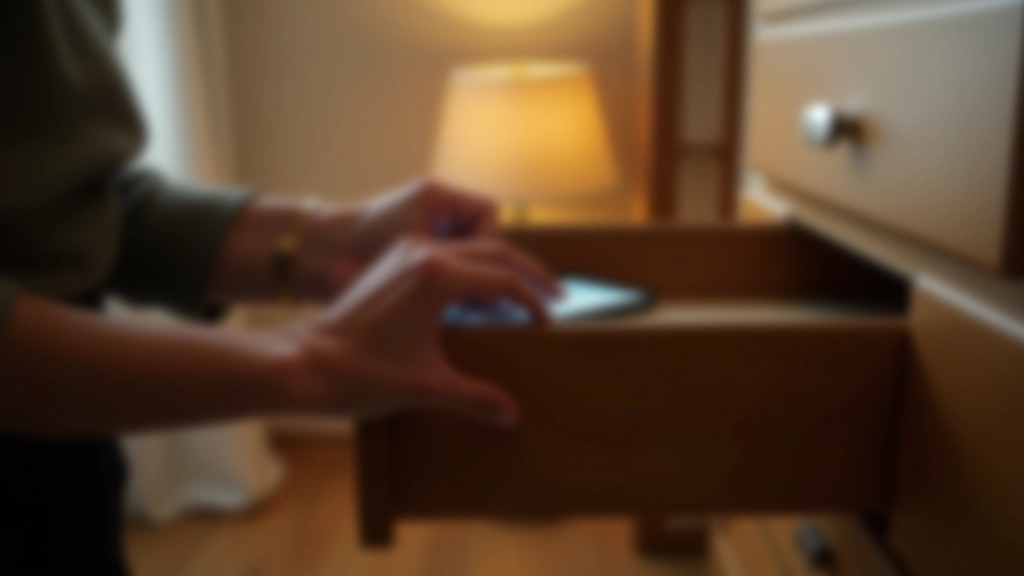
Phase 1: The Physical Separation (15 minutes)
Don’t just put your phone face-down. Actually remove it from the room. Put it in another room. In a drawer. Somewhere you’d have to consciously go retrieve it.
Why? Because willpower’s limited. Out of sight genuinely works better than relying on self-control. Most people who fail at this try to keep their phone nearby and “just not use it.” That doesn’t work.
Set a specific time when this happens. 6 PM. 7 PM. Whatever works for your schedule. The consistency matters more than the exact time.
Phase 2: The Transition Ritual (10-20 minutes)
Right after you put your phone away, you need something to fill the gap. Not just sitting in silence staring at the wall. Your brain will crave that device back immediately.
This is where transition rituals come in. A specific 10-20 minute activity that signals to your body: work is over, recovery is happening now. Some examples that work:
- Make tea or coffee. Focus on the smell, the temperature, the taste.
- Light a candle. Sit with a book — just 10 pages, no pressure.
- Walk around your neighborhood for 15 minutes. Actually notice things.
- Do a simple stretch or breathing exercise. YouTube has good 10-minute routines.
Phase 3: The Core Evening (2-3 hours)
Once you’ve completed the transition ritual, you’re ready for the actual evening. No screens. Real activities. Real recovery.
What Actually Works for Recovery Evenings
Don’t try to be perfect. Most people fail at device-free evenings because they’re too ambitious. They think they’ll suddenly love reading for three hours straight or sitting in meditation. That’s not realistic if you’re exhausted from work.
Instead, stack small activities that you actually enjoy:
The Social Routine (best for Mondays-Thursdays)
Cook a simple dinner. Eat with someone. Have a real conversation. No phones at the table. Takes 60-90 minutes. You get social connection, food, and natural wind-down.
The Creative Routine (good for stress relief)
Drawing. Writing. Building something. Cooking something new. Photography with an actual camera. Gardening. The key is doing something with your hands that requires focus but isn’t work-related. 60-120 minutes.
The Quiet Routine (for deep recovery)
Reading. Bath with candles. Gentle stretching. Journaling. Walking. This one’s quieter but just as restorative. 90+ minutes works best.
The secret? Pick one. Do it consistently. Your brain will start expecting it and actually looking forward to it after 3-4 weeks.

Why This Actually Works: The Nervous System Perspective
Your nervous system has two modes: sympathetic (alert, stressed, ready to act) and parasympathetic (calm, recovering, digesting). Work puts you in sympathetic mode. Phones keep you there.
Blue light from screens? That’s real. It suppresses melatonin production, which is why you can’t sleep after scrolling until 11 PM. But the bigger issue is the content itself. Emails. News. Social media drama. Your brain treats these as threats, so it keeps the stress response active.
Device-free time gives your parasympathetic nervous system a chance to activate. No new threats arriving. No urgent notifications. Just safety. That’s when real recovery happens — better sleep, lower cortisol, better mood the next day.
Studies show that 2-3 hours of device-free time before bed improves sleep quality by 30-40%. That’s not a small change. That’s life-changing.
The routines work because they’re specifically designed to activate that calm response. Reading, cooking, walking, creating — these activities signal safety to your brain. Your body actually relaxes.
Making This Stick (Not Just Another Resolution)
Here’s what fails: “I’m going device-free every evening starting tomorrow.” Too ambitious. Your brain will rebel by day three.
Here’s what works: Start with just two evenings a week. Tuesday and Thursday. Pick a specific time — say, 7 PM to 10 PM. That’s it. Just those two nights.
Do that for three weeks. Your brain adjusts. You start actually enjoying it. Then add Wednesday. Do that for two weeks. Eventually you’re at 5-6 evenings a week without it feeling like a struggle.
Also, don’t tell yourself you’ll never use devices again. You will. You might get a call. Work emergency happens. That’s fine. The point isn’t perfection — it’s building a consistent practice where most evenings you’re actually recovering instead of just… continuing to work in your head.
One more thing: Tell someone about this. A partner, a friend, a roommate. Make it public. When someone else knows you’re trying to do device-free evenings, you’re way more likely to actually do it.
Important Note
This article provides educational information about recovery routines and device management for work-life balance. It’s based on general wellness principles and research on nervous system recovery. Individual experiences vary significantly based on work environment, personal circumstances, and health conditions. If you’re dealing with chronic stress, sleep disorders, or anxiety that interferes with your ability to disconnect, consult with a healthcare professional. Device-free evenings are a helpful practice for many people, but they’re one tool among many — not a replacement for professional support when needed.
The Real Recovery Happens in the Space Between
Device-free evenings aren’t about being anti-technology or proving something to yourself. They’re about giving your nervous system what it actually needs: real recovery time.
Start small. Pick two evenings. Build a transition ritual. Choose a routine you actually enjoy. Let it become normal.
After a few weeks, you’ll notice something: you sleep better. You’re less irritable. You’re actually present when you’re with people. Your Monday morning doesn’t feel like you’re starting from exhausted.
That’s the point. Not perfection. Just actual recovery.